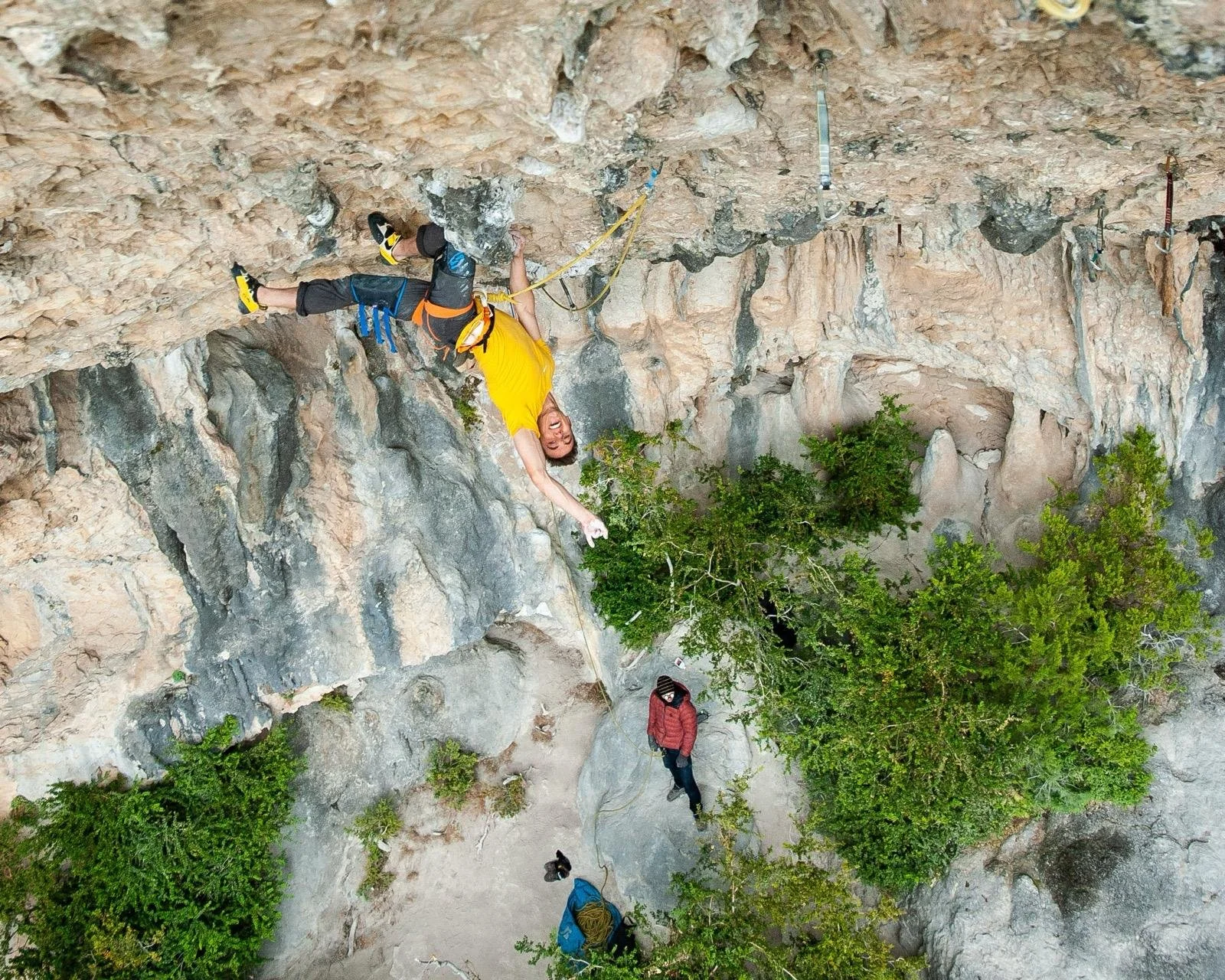
Regulation is not a switch
Regulation is not one big on or off switch for the whole of you. It isn't 100% calm, and it isn't all on or all off. It's more about being aware of where you are, recognising where each part of you needs to be, and purposefully moving a little closer to that.
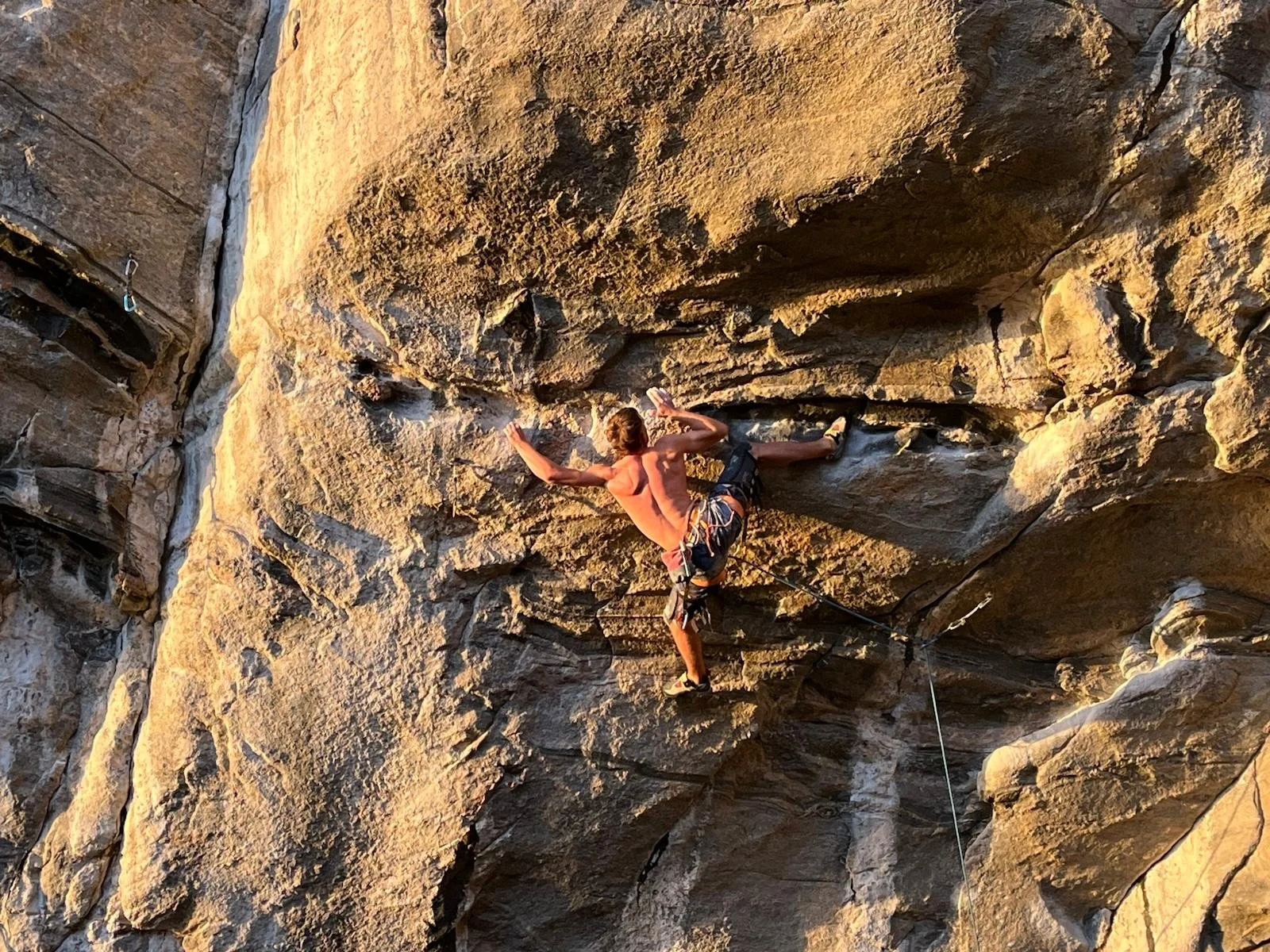
Nervous System Regulation, Pumped at the Third Bolt Edition
What if you don't have an endurance problem. You simply climb in a state that eats your endurance for breakfast.

The Injury You Can't See - Where did the fun go?
I spent years thinking the fun had just gone from my climbing. Turns out it hadn't. It had got injured. This is about the injury you can't see, why it shows up as avoidance rather than pain, and how the way back is the exact opposite of rest.

The border collie theory of discomfort
The thing that always surprises me about discomfort isn't how uncomfortable it feels at first—it's how quickly it fades when you stop making it the centre of attention.
Discomfort is a bit like a border collie with a stick. The more attention you give it, the more determined it becomes. Ignore it for a while, and it eventually wanders off in search of something else.

How Much Climbing Happens Before You Actually Tie In?
You drove all the way here. You packed the bag. You even brought snacks. And then somewhere between the car park and the route you decided not to try. Where did that decision come from?

Welcome to Beta Mind Lab
What if the thing most affecting your performance isn't fitness or strength — but something far more accessible than that?

Your climbing might not have a technique problem. It might have a foundation problem.
If you've tried mental training and it hasn't stuck, this might explain why. And where to start instead.